
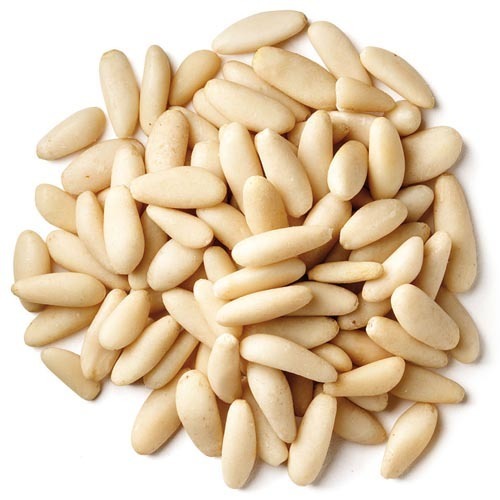
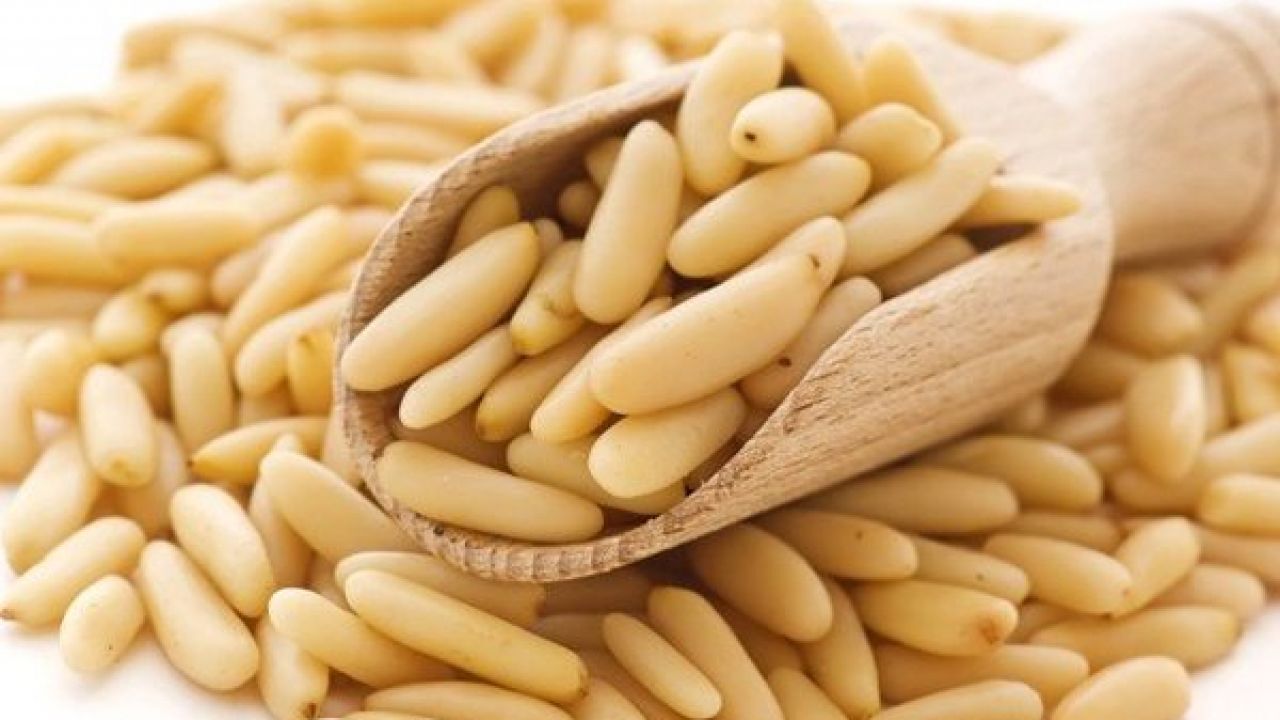
Imported Pine Nuts
-
التوصيل خلال 1-3 أيام
شحن مجاني فوق 3000 جنيه

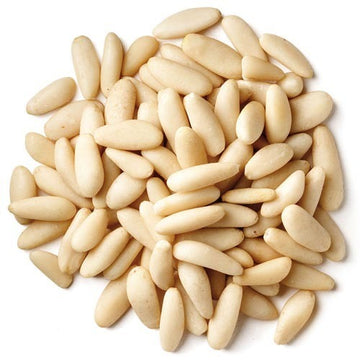
Imported Pine Nuts
✨ Pine nuts are one of the most requested nuts among nut lovers.
In addition to their delicious taste, they are rich in vitamins and minerals that help strengthen the body’s immunity, improve nervous system function, help lower cholesterol levels, enhance calcium absorption, protect the heart, and reduce the risk of blood clots and hardening of the arteries.
Tmarat offers you fresh, high-quality roasted pine nuts, sourced from its farms in Pakistan and delivered to your home. They are roasted and salted in our own roasting facilities, where we ensure the preservation of their nutritional value 💯
Tmarat’s Pakistani pine nuts are a healthy snack for all your moments, a luxurious hospitality treat for your guests, and a special addition to all kinds of desserts and grilled dishes.
Crunchy and flavorful, these delicate, parchment-colored pine nuts (also known as pignolias) are a source of endless culinary inspiration. Highly nutritious and even more delicious, our pine nuts are perfect when generously sprinkled over salads or added to recipes. Pine nuts are especially tasty when toasted and enjoyed by the handful.
More on Pine Nuts:
The pine tree family is a well-known group of evergreen trees, valued for their excellent softwood timber and their by-products: turpentine and rosin. The edible seeds of some pine species are sometimes referred to as nuts. Out of approximately 100 species of true pines, around twelve produce high-quality, flavorful nuts. Among these, the three main pine nuts traded in the United States are the European pignolia, the North American piñon, and the Chinese pine nut.
Pignolia refers to the Italian stone pine, which also grows in Portugal and North Africa. Piñon, the Spanish word for pine nut, refers to pine nuts that grow wild in the western United States, mainly in Colorado, New Mexico, and Utah. Pine trees also grow across the European Alps and the Carpathian Mountains. Asian pine nuts are found in eastern Afghanistan, parts of Pakistan, and the northern Himalayas. The Siberian stone pine grows in the Ural Mountain region, the Korean nut pine is native to Korea, China, and northern Japan, and the Japanese dwarf stone pine is found in the Japanese archipelago and nearby mainland areas. Most Asian pine nuts are consumed locally and are not exported.
In the U.S., pine nuts are available in gourmet, health-food, and specialty nut stores. Shelled pignolias imported from Europe are the second most expensive edible nut after macadamias. Domestically grown piñon nuts are more affordable but are not always available, as their harvest varies from year to year. They are not cultivated commercially but are collected from wild trees, mainly by hand. Recently, imported Chinese pine nuts have become strong competitors to these two gourmet varieties.
Regarding nutritional value, American piñon nuts are higher in fat, calories, and carbohydrates than European pignolias, while pignolias contain more protein.
The annual piñon harvest is estimated at 2 to 4 million pounds, although accurate statistics are difficult to obtain because collection is irregular and much of the harvest is consumed without being officially reported. Production has declined since World War II, especially as more affordable nuts, such as peanuts, have become strong competitors to pine nuts.
